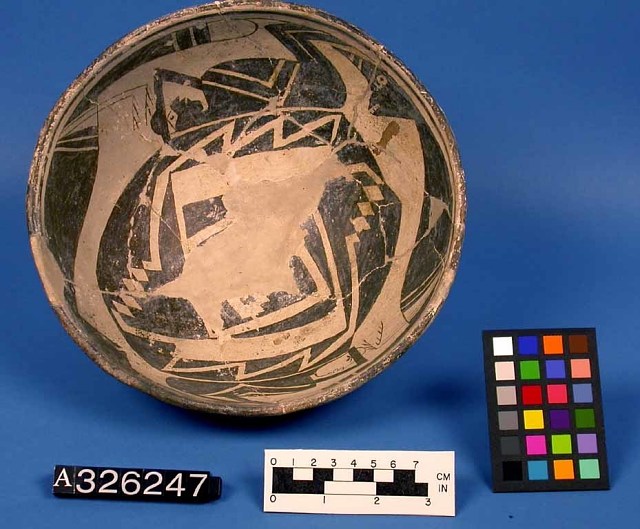
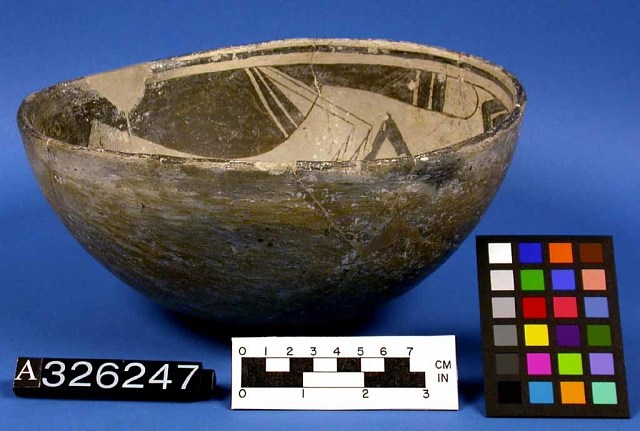
A large share of Southwest archaeological objects in U.S. museum collections carry attribution claims that rest on dealer notes, incomplete field records, or acquisition documentation from decades ago. The documentation system was never designed to handle the scale of what was collected.
Attribution errors matter on two fronts. For scholarship, they distort the record: misattributed objects train wrong analytical models and anchor false comparisons. For repatriation, they obstruct it: NAGPRA claims depend on accurate cultural affiliation, and a misattributed object is a claim that cannot be processed.
The standard response (more documentation) is necessary but insufficient. Physical examination and laboratory analysis can resolve many cases, but the backlog is in the hundreds of thousands of objects. What is missing is a systematic first-pass instrument: something that reads the object itself and compares what it shows against what the paperwork claims, before a specialist opens a single cabinet drawer.
"What the eye can read from a photograph is not nothing. It is a systematic, reproducible signal, if you know how to read it."
Project framing